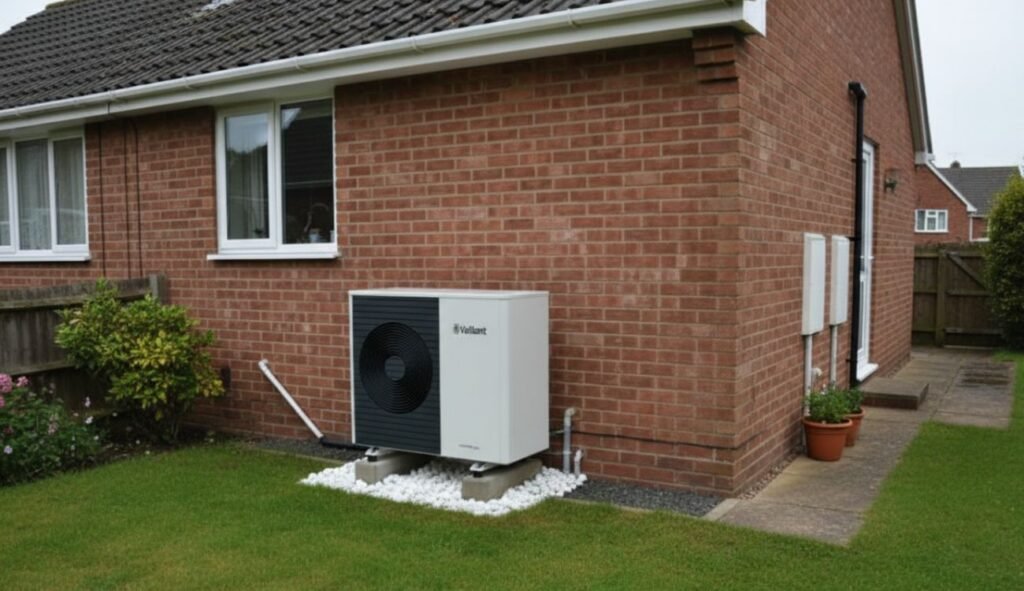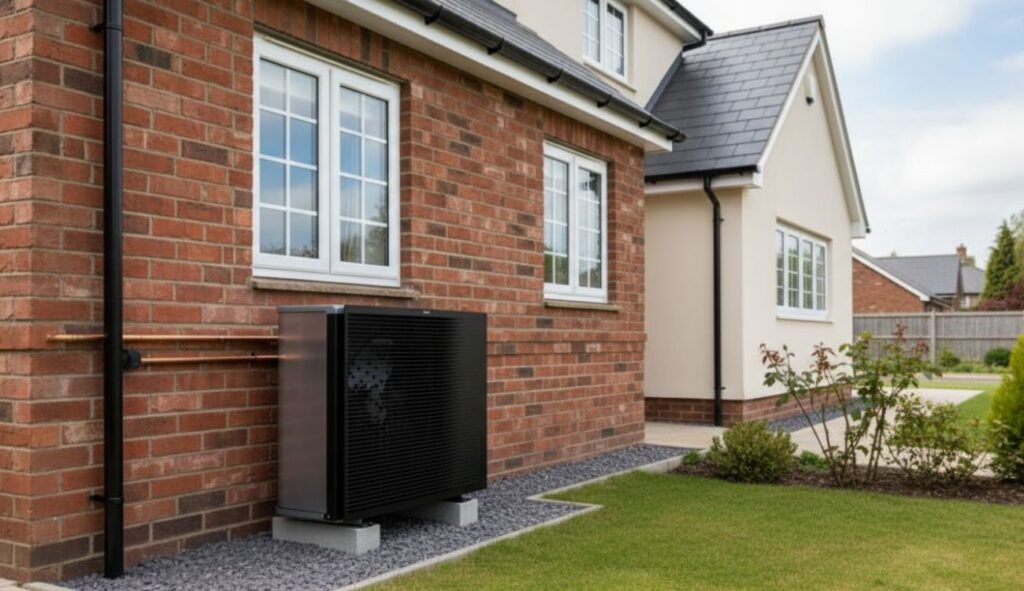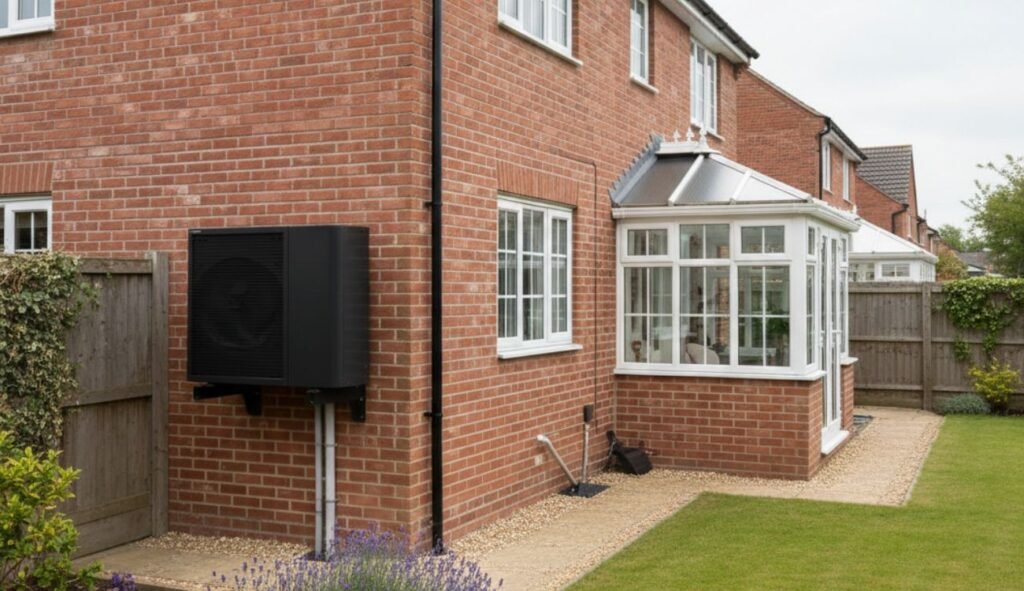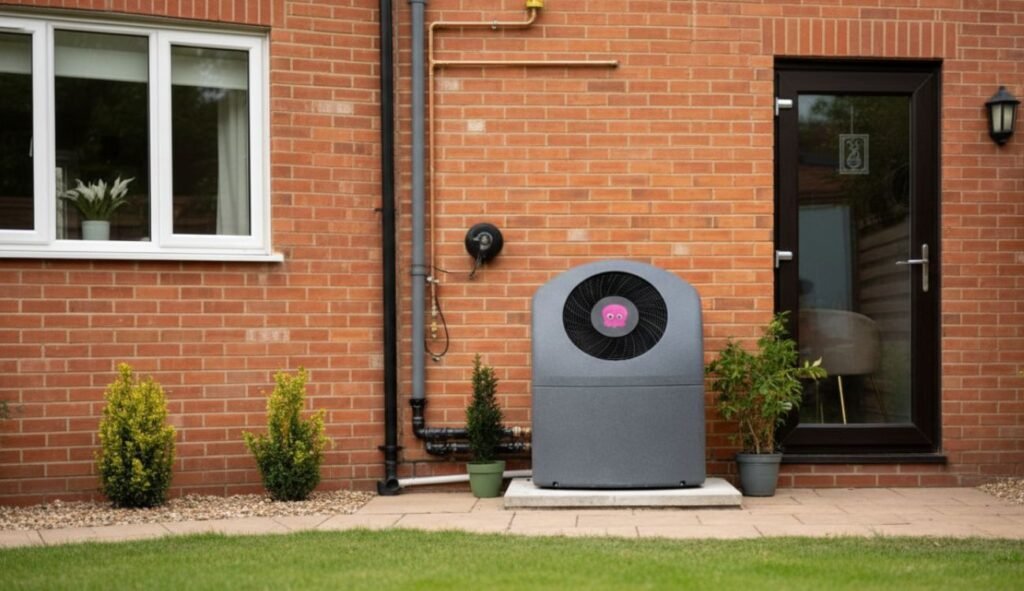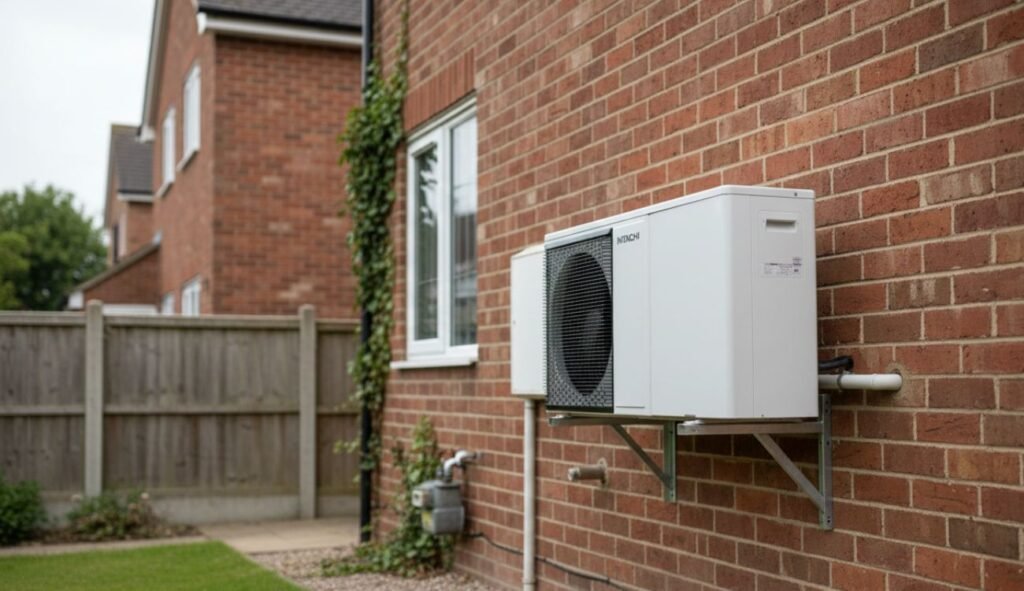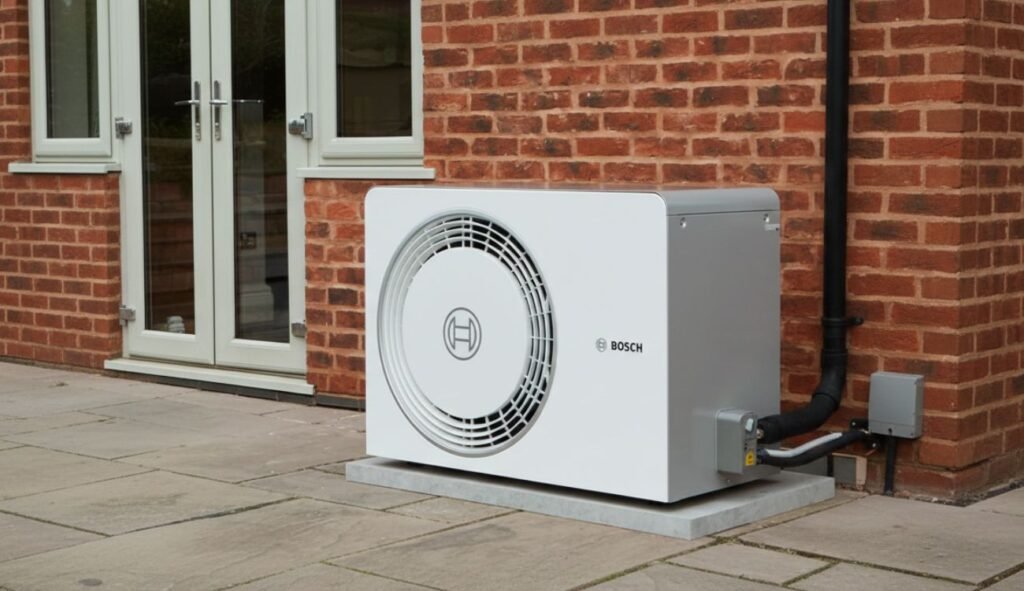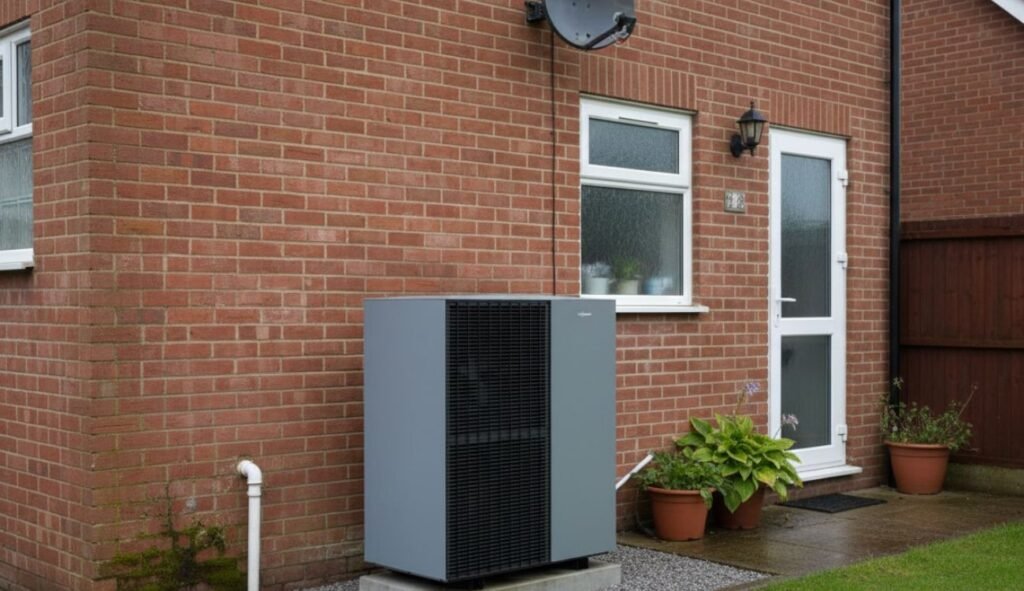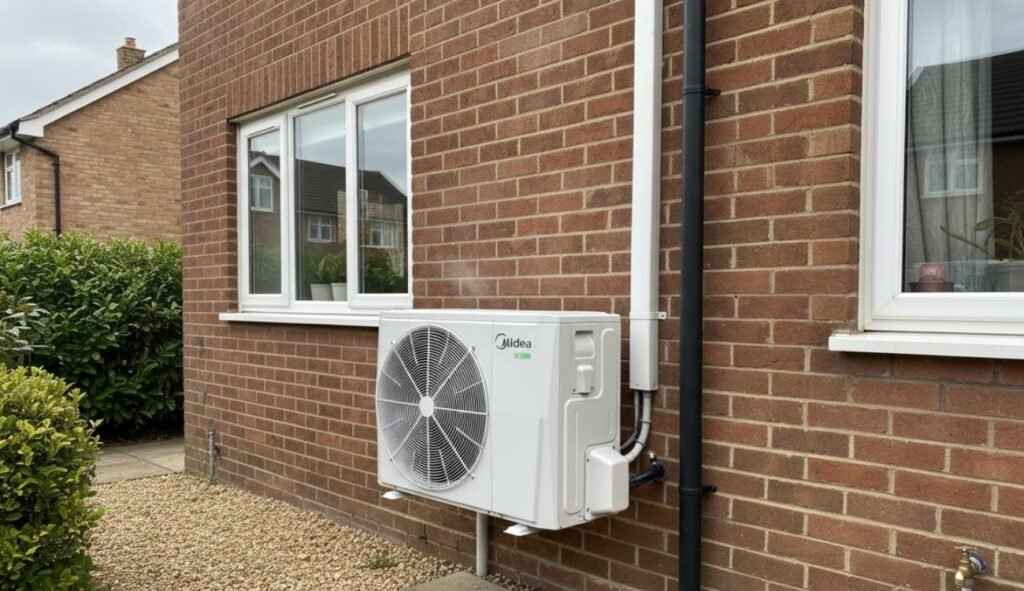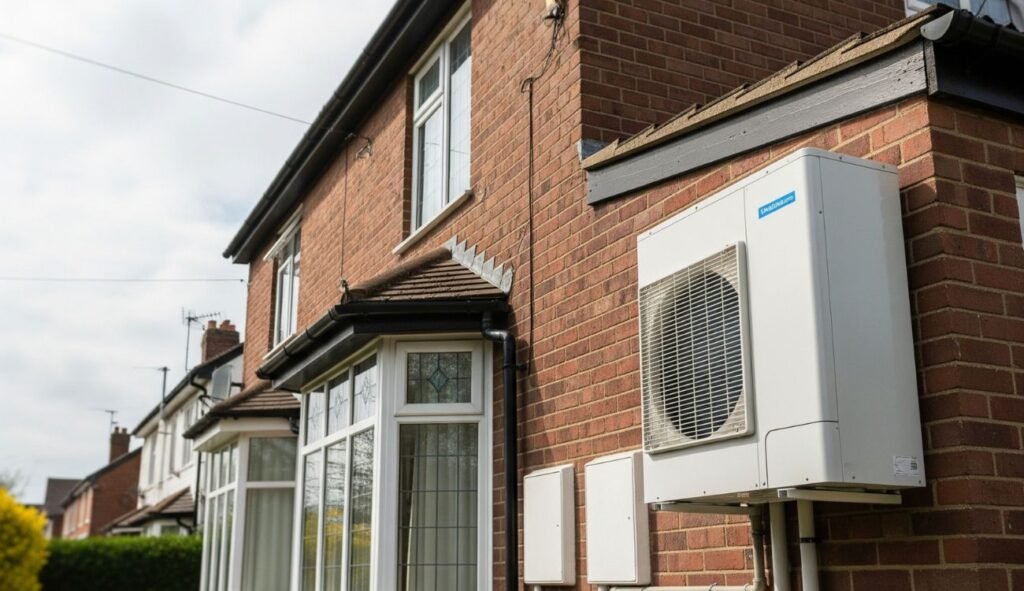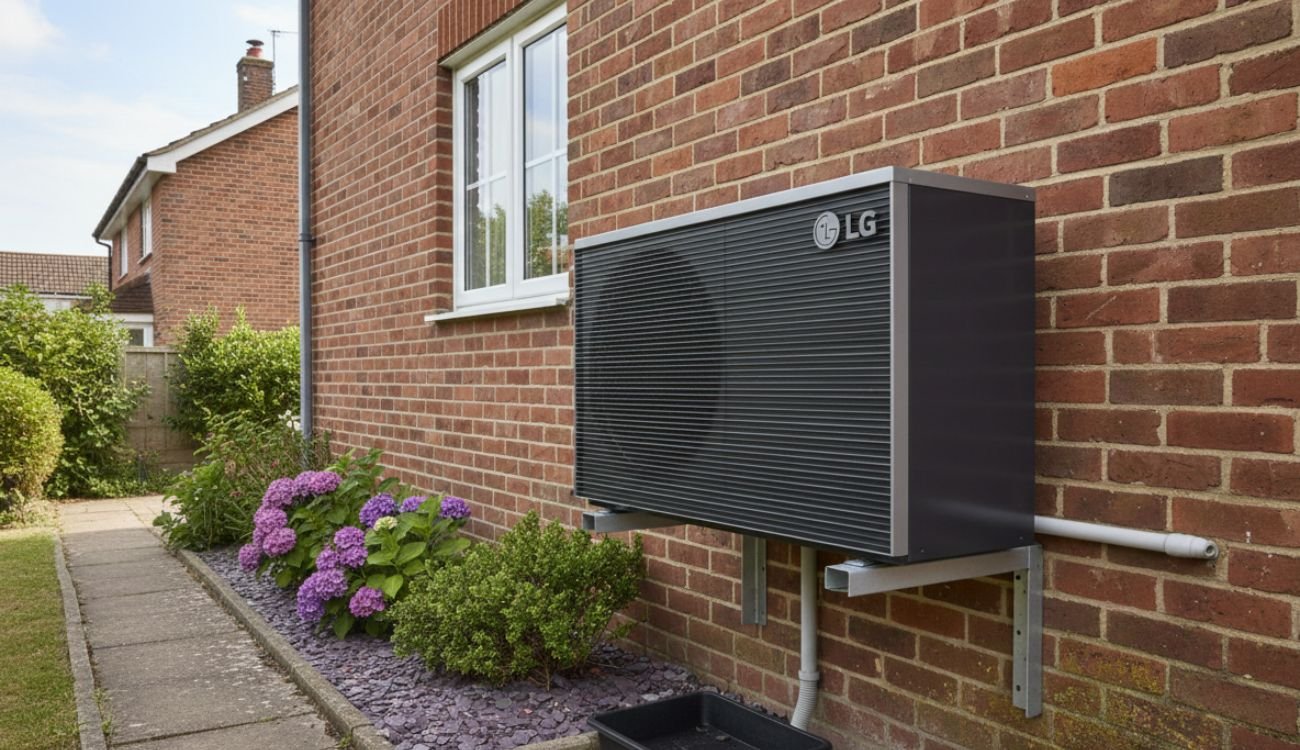

In this LG heat pump review, we dive into the latest 2026 models, highlighting their energy-saving capabilities and suitability for UK homes in regions like Tyne and Wear and Newcastle.
Whether you’re a homeowner or landlord seeking renewable heating options, this guide covers efficiency, pricing, and more to support your switch to sustainable air source heat pumps.
LG Heat Pump Review: A Quick Overview
LG heat pumps, part of the Therma V series, offer reliable air source heating solutions that blend efficiency with modern technology, making them a solid choice for UK properties aiming to reduce carbon emissions. To help you quickly assess if an LG model fits your needs, here’s a comprehensive review summarising key aspects.
| Feature | Details |
|---|---|
| Key Models | Therma V R32 Monobloc S (5-16kW), R290 Monobloc (12-16kW), Hydrosplit, Split |
| Efficiency | A+++ rating, SCOP up to 5.2 at 35°C flow temperature, COP up to 4.9 – produces up to 5 times more heat than energy consumed |
| Unit Costs | £3,340-£6,400 (excluding installation and grants) |
| Installation Costs | £8,000-£15,000 total (including labour, materials, and upgrades); eligible for £7,500 BUS grant |
| Running Costs | £700-£1,200 annually (based on 2,700-4,000kWh); up to 60% savings vs gas |
| Trustpilot Ratings | LG Global: 1.4/5 (3,516 reviews) – Mixed feedback on service, positive on efficiency |
| Which? Ratings | 75% overall score – 4/5 for efficiency/quietness, 3/5 for reliability |
| Maintenance | Annual servicing £150-£300; full service every 1-2 years for warranty |
| Best For | 2-4 bedroom homes; semi-detached or detached; suitable for retrofits with good insulation |
| Warranty | 5-7 years (extended to 7 with certified installer) |
| Noise Levels | 45-55dB – quieter than many competitors |
| Environmental Impact | Low GWP (R32/R290); reduces CO2 by up to 60% vs fossil fuels |
| Smart Features | ThinQ app integration, energy monitoring, and solar PV compatibility |
If you’re in the North East, such as Tyne and Wear or Newcastle, consider getting a free quote from Future Heat Ltd for tailored installation – their experts handle everything from site surveys to grant applications.
Why Consider an LG Heat Pump?
LG heat pumps are worth considering for their blend of innovation and affordability, providing efficient renewable heating that aligns with the UK’s net-zero goals.
LG Electronics, a South Korean multinational founded in 1958, is renowned for consumer electronics and has expanded into renewables with the Therma V line, focusing on air-to-water heat pumps designed for European climates including the UK.
Pros & Cons of LG Heat Pumps
Pros
- High energy efficiency with A+++ ratings, leading to lower running costs and reduced energy bills.
- Quiet operation at 45-55dB, ideal for residential areas without disturbing neighbours.
- Smart connectivity via ThinQ app for easy monitoring and control from your phone.
- Competitive pricing compared to premium brands, making them accessible for budget-conscious homeowners.
- Eco-friendly refrigerants like R32 or R290, supporting lower carbon footprints.
- Versatile models suitable for various property sizes and integration with existing systems.
Cons
- Mixed customer service feedback, with some delays in warranty claims.
- May require home upgrades like better insulation for optimal performance in older properties.
- Lower Trustpilot scores for the brand overall, though heat pump-specific reviews are more positive.
- Not the highest flow temperatures in the range (up to 75°C), potentially limiting in very cold snaps.
- Installation complexity for split models, which might increase upfront costs.
Efficiency of LG Heat Pumps
The efficiency of LG heat pumps stands out with A+++ energy labels and SCOP values up to 5.2, meaning they deliver exceptional heat output relative to electricity input for UK homes. This translates to producing up to 520% more heat energy than consumed, far surpassing traditional gas boilers.
For instance, at a 35°C flow temperature, models like the Therma V R32 Monobloc S achieve this peak, making them ideal for underfloor heating systems where lower temperatures suffice. In practical terms, this efficiency can slash annual heating bills by 60% compared to fossil fuels, based on 2026 UK energy prices.
Factors like home insulation and outdoor temperatures influence performance – in the North East’s cooler climate, pairing with solar panels boosts savings further. Always check the Seasonal Coefficient of Performance (SCOP) for real-world estimates, as it accounts for varying UK weather patterns.
How Much Do LG Heat Pumps Cost?
The costs of LG heat pumps vary by model and capacity, but they remain competitive in the UK market, offering good value for renewable heating upgrades. Unit prices start from around £3,340 for a 5kW model and go up to £6,400 for 16kW versions, before grants.
Total installed costs, including labour and any necessary adaptations, typically range from £8,000 to £15,000. The £7,500 Boiler Upgrade Scheme can reduce this significantly, bringing net expenses down to £500-£7,500 for many households.
Running costs average £700-£1,200 yearly, depending on usage and tariffs, with potential savings of £430 annually versus gas.
Here’s a pricing table for key LG Therma V models:
| Model | Capacity (kW) | Unit Price (excl. VAT) | Estimated Installed Cost (pre-grant) | Best For |
|---|---|---|---|---|
| Therma V R32 Monobloc S | 5 | £3,340-£4,000 | £8,000-£10,000 | Small 1-2 bedroom flats |
| Therma V R32 Monobloc S | 7 | £4,000-£4,500 | £9,000-£11,000 | 2-3 bedroom semis |
| Therma V R32 Monobloc S | 9 | £4,500-£5,000 | £10,000-£12,000 | Average family homes |
| Therma V R32 Monobloc S | 12-16 | £5,000-£6,400 | £12,000-£15,000 | Larger 4+ bedroom properties |
| Therma V R290 Monobloc | 12-16 | £5,500-£6,400 | £13,000-£15,000 | High-temperature needs |
What Is the Warranty Period on LG Heat Pumps?
The warranty on LG heat pumps provides 5-7 years of coverage, offering peace of mind for parts and labour when installed by certified professionals. This extended 7-year option requires an LG-trained installer, ensuring proper setup and eligibility. It covers defects in manufacturing but excludes misuse or poor maintenance.
In the UK, this aligns with MCS standards, and pairing with annual servicing maintains validity. For North East residents, Future Heat Ltd can handle certified installations to maximise warranty benefits.
Property Types Best Suited for LG Heat Pumps
LG heat pumps are best suited for well-insulated 2-4 bedroom homes, such as semi-detached or detached properties in urban areas like Newcastle. They excel in new builds or retrofitted houses with underfloor heating or oversized radiators, where lower flow temperatures optimise efficiency.
For commercial buildings or larger landlords’ portfolios in Tyne and Wear, the 12-16kW models handle higher demands effectively. Avoid if your property has poor insulation, as efficiency drops – consider an EPC assessment first.
Customer Ratings for LG Heat Pumps
The ratings for LG heat pumps highlight their efficiency and value, though customer service varies across platforms.
Trustpilot Ratings for LG Heat Pumps
Trustpilot ratings for LG Global stand at 1.4/5 from 3,516 reviews, with criticisms focusing on broader brand support rather than heat pumps specifically. Positive comments praise efficiency and quiet operation in UK installations.
Which? Ratings for LG Heat Pumps
Which? ratings give LG air source heat pumps a 75% overall score, commending 4/5 for energy efficiency and noise levels, but noting 3/5 for long-term reliability based on user surveys.
LG Air Source Heat Pump Range of Models
LG air source heat pump range of models includes versatile options under the Therma V series, designed for various UK home sizes and heating needs. From compact Monobloc units to split systems, they prioritise efficiency and integration with renewables.
Here’s a table detailing the range:
| Model Series | Key Variants | Capacity (kW) | Refrigerant | Flow Temp (°C) | Noise (dB) | Best Use |
|---|---|---|---|---|---|---|
| Therma V R32 Monobloc S | 5kW, 7kW, 9kW, 12-16kW | 5-16 | R32 | Up to 65 | 45-55 | Standard homes |
| Therma V R290 Monobloc | 12kW, 14kW, 16kW | 12-16 | R290 | Up to 75 | 49-55 | Retrofits, high-temp needs |
| Therma V Hydrosplit | 12-16kW with integrated tank | 12-16 | R32 | Up to 65 | 50-55 | Space-saving with DHW |
| Therma V Split | Various with indoor/outdoor units | 5-16 | R32 | Up to 65 | 45-55 | Flexible installations |
LG vs Other Brands
LG heat pumps compare favourably in affordability and smart features, but how do they stack up against competitors? This section explores unique aspects for internal linking, focusing on efficiency, suitability for North East climates, and value for UK homeowners.
LG vs Cosy 6 Heat Pump
Compared to the Cosy 6 heat pump, LG offers broader model variety and better app integration, ideal for tech-savvy landlords in Newcastle. Cosy 6 edges out on ultra-quiet operation (under 40dB), but LG’s higher SCOP (5.2 vs 4.5) delivers superior savings in variable Tyne and Wear weather.
LG vs Aira Heat Pump
LG surpasses Aira in warranty length (up to 7 years vs 5) and refrigerant options, suiting diverse property types. Aira’s all-in-one subscription model appeals for hassle-free maintenance, but LG’s lower upfront costs after grants make it better for budget-focused commercial buildings in the North East.
LG vs Vaillant Heat Pump
Vaillant heat pumps boast premium build quality and higher flow temps (80°C), outperforming LG in very cold snaps, but at a 20-30% higher price. LG’s advantage lies in quieter running and easier integration with solar, making it preferable for semi-detached homes in urban areas like Tyne and Wear.
LG vs Panasonic Air Source Heat Pump
Panasonic’s Aquarea series matches LG’s efficiency but adds nanoe X air purification, great for allergy-prone households. LG counters with more affordable entry-level models and ThinQ connectivity, offering better value for landlords upgrading multiple properties in Newcastle.
LG vs Nibe Heat Pump
Nibe excels in extreme cold tolerance (-25°C) and modularity for large estates, but LG provides similar A+++ efficiency at half the cost. For average North East homes, LG’s simpler installation and smart controls make it a more practical renewable choice.
LG vs Samsung Heat Pump
Samsung heat pumps integrate seamlessly with their ecosystem, but LG’s Therma V edges on noise reduction (45dB vs 50dB) and higher COP (4.9 vs 4.6). Both are smart-home friendly, yet LG’s extended warranty appeals more to long-term investors in commercial spaces.
LG vs Mitsubishi Heat Pump
Mitsubishi’s Ecodan is renowned for reliability in harsh conditions, with Zubadan tech, but LG offers comparable performance at lower prices. For North East retrofits, LG’s R290 models provide eco-friendlier refrigerants without compromising on heating output.
LG vs Midea Heat Pump
Midea focuses on budget options with solid basics, but LG adds premium features like remote diagnostics. While Midea suits simple setups, LG’s higher efficiency ratings ensure greater savings for energy-conscious homeowners in colder UK regions.
LG vs Viessmann Heat Pump
Viessmann’s Vitocal series leads in integrated controls and longevity, but at premium pricing. LG matches on efficiency while being more accessible, ideal for first-time renewable adopters in Tyne and Wear seeking balanced performance without overpaying.
LG vs Worcester Bosch Heat Pump
Worcester Bosch offers UK-made familiarity and robust support, but LG’s global innovation brings smarter energy monitoring. For landlords, LG’s lower running costs and grant compatibility make it a stronger pick for sustainable upgrades in the North East.
LG vs Hitachi Heat Pump
Hitachi’s Yutaki provides powerful outputs for larger properties, but LG’s compact designs fit better in space-limited homes. Both handle UK winters well, yet LG’s app-based optimisation gives it an edge for remote management in commercial applications.
Is an LG Heat Pump Worth It?
An LG heat pump is worth it for many UK homeowners seeking efficient, affordable renewables, but weigh your needs carefully. As a buying guide, here’s expert advice to decide.
Choose LG if:
- You want high efficiency (A+++) and up to 60% bill savings in a 2-4 bedroom home.
- Smart features like ThinQ app control appeal for easy monitoring.
- Budget is key – competitive prices plus grants keep costs low.
- Your property has good insulation and milder North East climates.
Don’t choose LG if:
- You need ultra-high flow temps (over 75°C) for uninsulated older buildings – opt for high-temp specialists.
- Customer service is a priority; mixed reviews suggest exploring brands with stronger UK support.
- Extreme cold tolerance is essential; competitors like Nibe handle -25°C better.
- You’re in a very noisy-sensitive area, though LG is quiet, some rivals are even lower.
For tailored advice, request a free quote from Future Heat in Tyne and Wear.
Ready to Upgrade to an Air Source Heat Pump? Get Your Free Quote Today
As specialists in air source heat pump installations across Tyne and Wear, Newcastle, and the wider North East, Future Heat Ltd offers expert advice, seamless setups, and grant assistance.
Get in touch today for a free, no-obligation air source heat pump quote tailored to your home – start saving on energy and reducing your carbon footprint now!
Frequently Asked Questions
How Do LG Heat Pumps Perform in UK Winters?
LG heat pumps maintain efficiency down to -15°C, using innovative compressors to extract heat reliably, though pairing with insulation maximises output in frosty North East conditions.
Can LG Heat Pumps Integrate with Existing Solar Systems?
Yes, LG heat pumps seamlessly connect to solar PV via smart inverters, allowing excess energy to power heating and potentially cutting electricity reliance by 60%.
What Refrigerants Do LG Heat Pumps Use and Why?
LG uses low-GWP R32 or natural R290 refrigerants, reducing environmental impact while complying with UK F-gas regulations for safer, greener operation.
How Long Does LG Heat Pump Installation Typically Take?
Installation for LG heat pumps usually takes 2-5 days, depending on system complexity and home adaptations, with minimal disruption when handled by certified pros like Future Heat.
Are There Specific Grants for LG Heat Pumps Beyond BUS?
Beyond the £7,500 Boiler Upgrade Scheme, ECO4 funding may apply for low-income households, covering up to 100% of costs for qualifying properties in the North East.

Jamie Maguire is Managing Director at Future Heat Ltd, the UK-based renewable energy company specialising in heat pumps, solar panels and energy-efficient boiler solutions. He leads the company’s strategic vision to decarbonise homes and businesses across the UK by delivering innovative, sustainable heating and power systems. Jamie is passionate about shaping the future of energy, supporting communities and empowering teams of skilled engineers to deliver lasting value and carbon reductions nationwide.