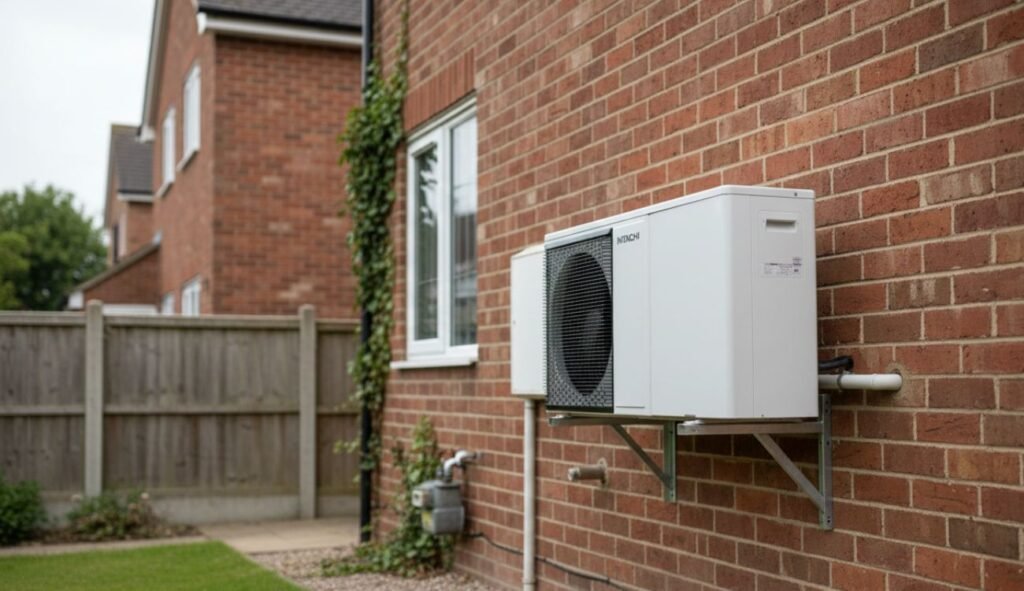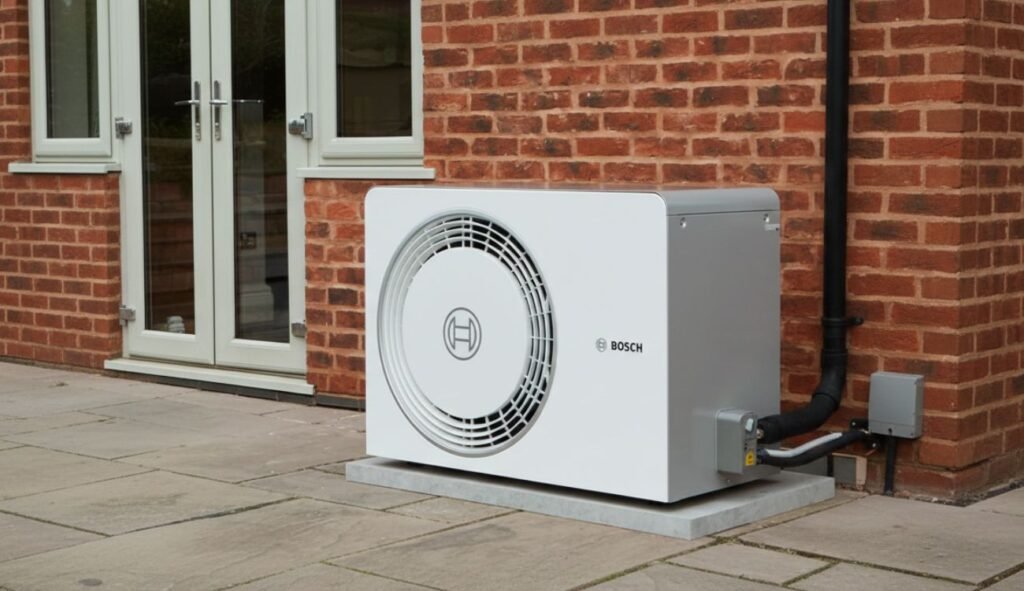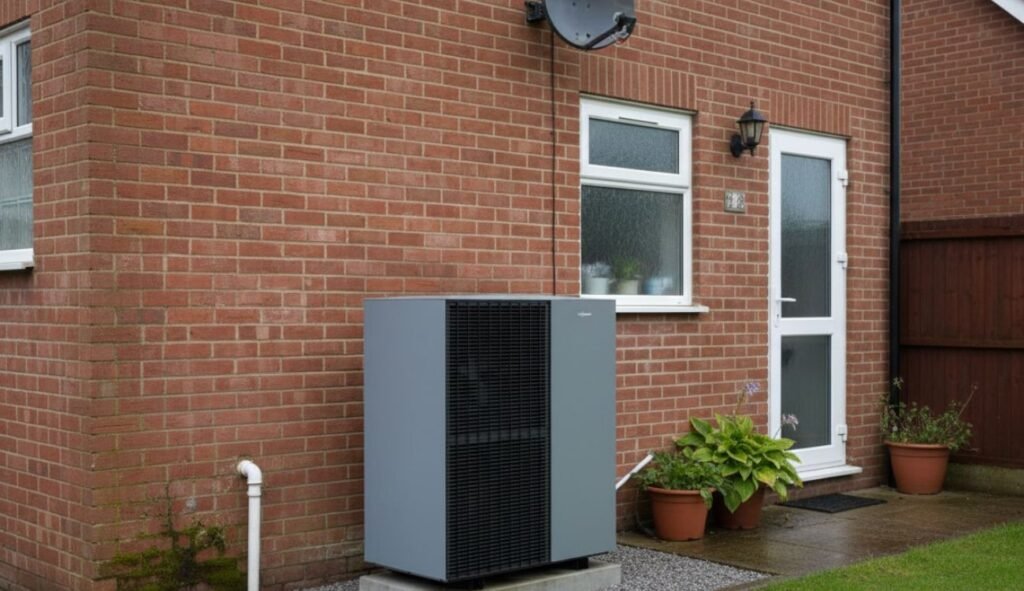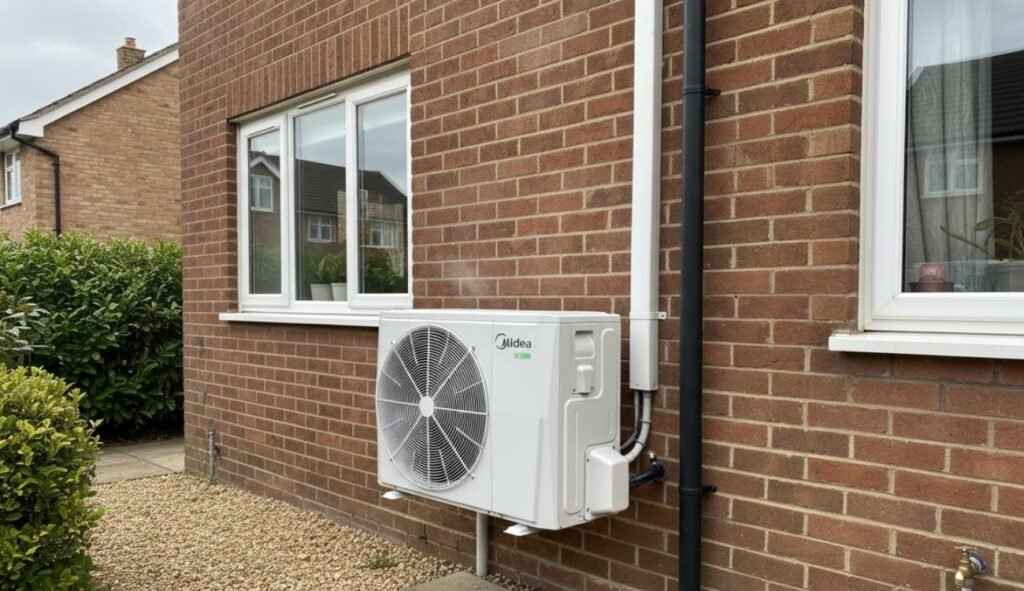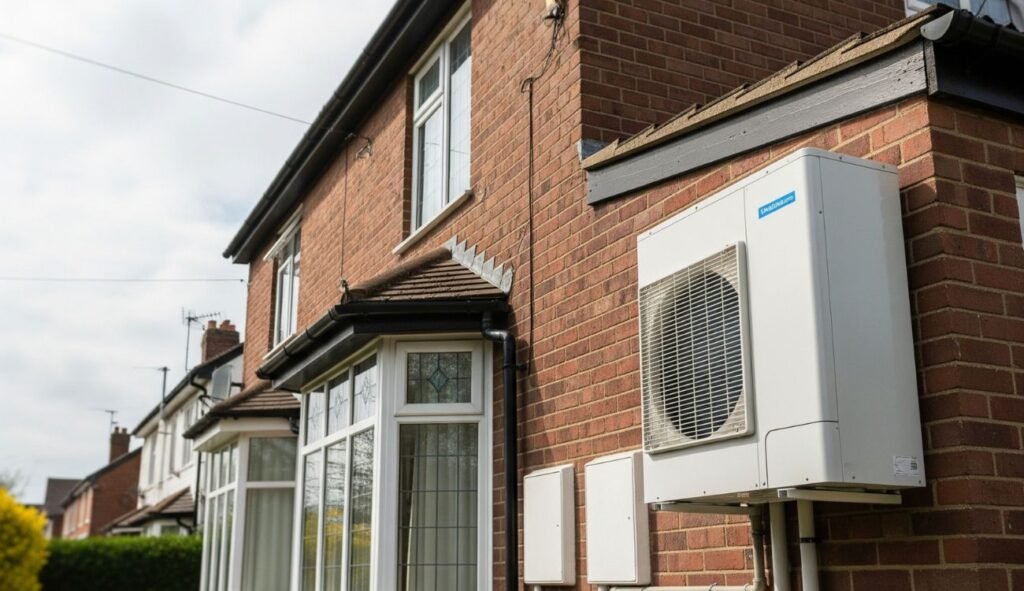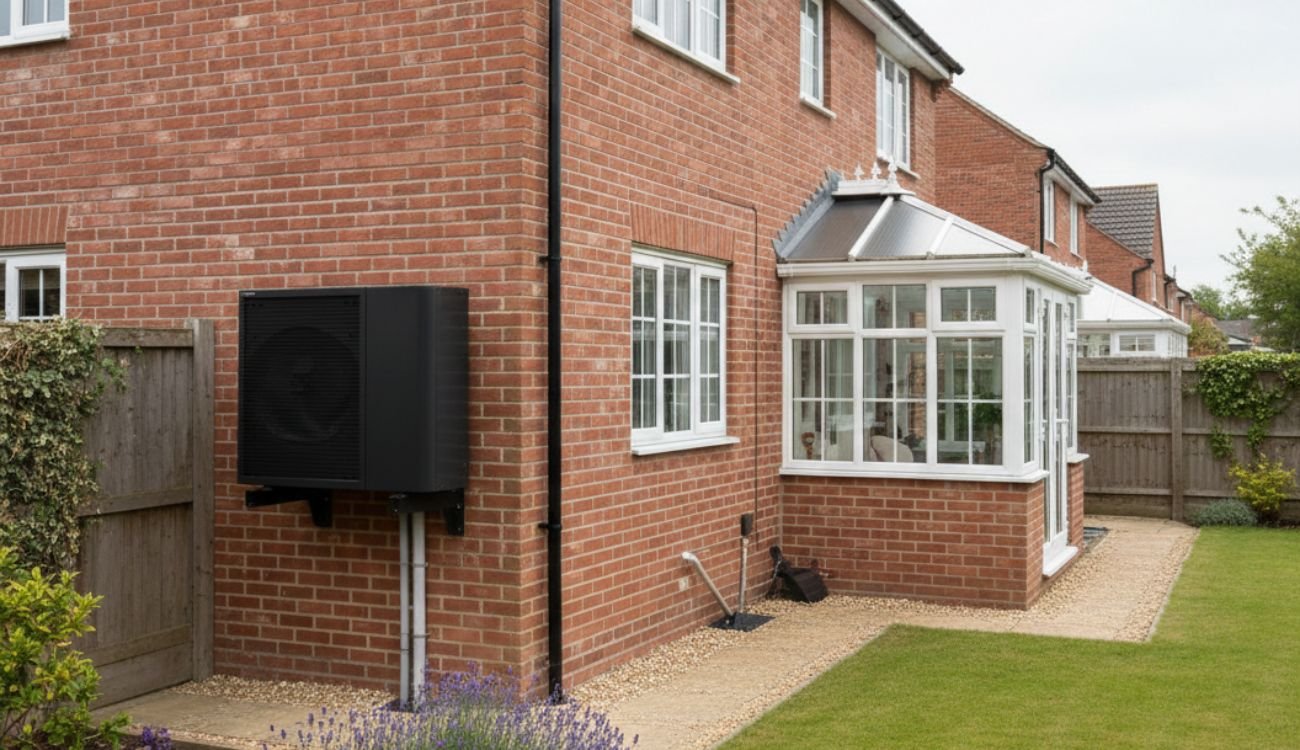

In this Panasonic heat pump review, we explore the 2026 Aquarea series, showcasing their advanced air-to-water technology and air purification features for UK properties in Tyne and Wear, Newcastle, and the wider North East.
Homeowners and landlords transitioning to renewables will find detailed insights on efficiency, pricing, and performance to support informed decisions.
Panasonic Heat Pump Review: A Quick Overview
Panasonic heat pumps, renowned for the Aquarea range, deliver efficient, quiet heating with innovative nanoe X technology that improves indoor air quality alongside renewable energy benefits. Below is a quick-look review table to help you evaluate if these air source heat pumps suit your needs.
| Feature | Details |
|---|---|
| Key Models | Aquarea High Performance (3-16kW), T-CAP (9-16kW), All-in-One (5-9kW), L Series (5-9kW) |
| Efficiency | A+++ rating, SCOP up to 5.12 at 35°C, COP up to 5.33 – up to 512% efficient |
| Unit Costs | £3,000-£8,000 (excl. VAT, installation, grants) |
| Installation Costs | £8,000-£15,000 total (incl. labour, cylinder, upgrades); £7,500 BUS grant eligible |
| Running Costs | £700-£1,100 annually (2,800-3,800kWh); 50-70% savings vs gas |
| Trustpilot Ratings | 4.1/5 (45,000+ reviews) – strong for reliability and low noise |
| Which? Ratings | Positive for efficiency and durability in tests |
| Maintenance | Annual £150-£300; filter cleaning quarterly; service every 1-2 years |
| Best For | 2-4 bedroom homes; ideal for retrofits with radiators or underfloor heating |
| Warranty | 3-7 years (up to 7 with certified installer) |
| Noise Levels | 48-55dB – quiet for residential use |
| Environmental Impact | R32/R290 refrigerants; reduces CO2 by 50-70% vs fossils |
| Smart Features | Aquarea Smart Cloud app, nanoe X purification, solar PV integration |
For North East properties in Tyne and Wear or Newcastle, get in touch today with Future Heat Ltd for a free quote tailored to your location – our team specialises in seamless air source heat pump installations.
Why You Should Consider a Panasonic Heat Pump?
A Panasonic heat pump is worth considering for its blend of efficiency, air quality improvements, and reliability in UK renewables. Panasonic, a Japanese electronics leader founded in 1918, pioneered HVAC innovations, with the Aquarea air source heat pumps designed for energy savings and comfort in European homes.
Pros & Cons of Panasonic Heat Pumps
Pros
- Superior efficiency with A+++ ratings and SCOP up to 5.12, cutting bills significantly.
- Nanoe X technology purifies air, reducing allergens – unique for healthier homes.
- Quiet operation at 48dB, suitable for urban and suburban settings.
- Operates in cold down to -20°C, reliable for North East winters.
- Smart app control and solar compatibility for optimised use.
- Wide model range for various property sizes.
Cons
- Premium costs may require grants for affordability.
- Nanoe X benefits shine in larger spaces; less impact in small homes.
- Installation can involve more for split systems.
- Brand support varies by region.
Panasonic Heat Pumps: Efficiency
The efficiency of Panasonic heat pumps stands out with A+++ energy ratings and SCOP values up to 5.12, generating over five times the heat from electricity consumed. This Seasonal Coefficient of Performance makes them excellent for low-carbon heating in the UK’s temperate climate.
The Aquarea High Performance 7kW model, for example, achieves a COP of 5.33 at 35°C flow, ideal for underfloor systems. Practically, this yields 50-70% savings on heating bills at 2026 tariffs, depending on insulation and usage.
In the North East, factors like outdoor temps affect output, but inverter tech and nanoe X enhance performance; solar integration via the app further boosts returns. Assess your EPC to maximise these air-to-water benefits.
Panasonic Air Source Heat Pump Range of Models
The Panasonic air source heat pump range of models includes the Aquarea series, offering monobloc, split, and all-in-one variants for flexible UK heating with advanced purification.
Here’s a table detailing the range:
| Model | Capacity (kW) | Unit Price (excl. VAT) | Estimated Installed Cost (pre-grant) | Best For |
|---|---|---|---|---|
| Aquarea High Performance | 5 – 7 | £2,700 – £3,500 | £8,000 – £10,000 | New builds / well-insulated homes |
| Aquarea L Series (R290) | 5 – 9 | £3,500 – £4,800 | £9,000 – £12,000 | Retrofits with existing radiators |
| Aquarea T-CAP | 9 – 12 | £4,000 – £5,500 | £11,000 – £14,000 | Colder regions / Maintaining full power |
| Aquarea T-CAP | 16 | £6,000 – £7,500 | £14,000 – £16,000 | Large detached 5+ bedroom homes |
Panasonic Heat Pumps: Costs
The costs of Panasonic heat pumps balance innovation with value, providing strong returns through efficient renewable operation. Unit prices range from £3,000 for entry models to £8,000 for advanced ones, with full installations £5,000-£7,000 more.
Pre-grant totals hit £8,000-£15,000, but the £7,500 Boiler Upgrade Scheme often nets £500-£7,500. Running costs for typical homes are £700-£1,100 yearly, saving £350-£500 versus gas.
Here’s a pricing table for key Panasonic models:
| Model | Capacity (kW) | Unit Price (excl. VAT) | Estimated Installed Cost (pre-grant) | Best For |
|---|---|---|---|---|
| Aquarea L Series | 5-9 | £3,000-£4,500 | £8,000-£10,500 | Small 2-bedroom homes |
| Aquarea High Performance | 3-16 | £3,500-£6,000 | £9,000-£12,000 | Average family properties |
| Aquarea T-CAP | 9-16 | £5,000-£8,000 | £11,000-£15,000 | Cold-climate retrofits |
Panasonic Heat Pump Warranty Period
The warranty on Panasonic heat pumps covers 3-7 years, extendable to 7 years with a certified installer. This includes parts and labour for manufacturing issues, requiring annual maintenance. For North East setups, Future Heat Ltd can ensure full eligibility.
Property Types Best Suited for Panasonic Heat Pumps
Panasonic heat pumps are best suited for 2-4 bedroom well-insulated semis or detached homes, performing well with radiators or underfloor heating. They excel in retrofits or new builds around Newcastle, and suit small commercial spaces. Landlords in Tyne and Wear benefit from nanoe X for tenant health. Older uninsulated properties may need upgrades.
Customer Ratings for Panasonic Heat Pumps
The ratings for Panasonic heat pumps reflect solid technical performance and user satisfaction.
Trustpilot Ratings for Panasonic Heat Pumps
Trustpilot ratings for Panasonic average 4.1/5 from 45,000+ reviews, with heat pump feedback highlighting efficiency and quiet operation.
Which? Ratings for Panasonic Heat Pumps
Which? ratings commend Panasonic for high efficiency and reliability in comparative assessments.
Panasonic vs Other Brands
Panasonic heat pumps stand out for nanoe X air purification and quiet efficiency, but comparisons highlight unique strengths for North East users. This section supports internal linking.
Panasonic vs Cosy 6 Heat Pump
The Cosy 6 is a proprietary unit often used by energy suppliers. Panasonic offers significantly higher build quality and more advanced inverter technology compared to the basic architecture of the Cosy 6.
Panasonic vs Aira Heat Pump
Aira is a new entrant focused on design and a “monthly subscription” model. Panasonic has a much longer track record and a wider range of high-temperature models for older homes.
Panasonic vs Daikin Heat Pump
Daikin and Panasonic are the “Big Two.” While Daikin is often praised for its sleek designs, Panasonic’s T-CAP technology often provides better performance in the extreme cold.
Panasonic vs Nibe Heat Pump
Nibe units are highly technical and favoured by enthusiasts. Panasonic is generally more user-friendly and easier for local North East installers to service and maintain.
Panasonic vs Samsung Heat Pump
Samsung offers compact, budget-friendly units. Panasonic is considered a more premium option, offering higher efficiency and longer lifespans.
Panasonic vs Mitsubishi Heat Pump
Mitsubishi Ecodan is the most popular unit in the UK. Panasonic matches them on reliability but often edges ahead in peak efficiency (SCOP) ratings.
Panasonic vs Viessmann Heat Pump
Viessmann offers German engineering with a premium price tag. Panasonic provides comparable performance at a more competitive price point for the average homeowner.
Panasonic vs Worcester Bosch Heat Pump
Worcester Bosch is the UK’s most famous boiler brand. Their heat pumps are solid, but Panasonic has decades more experience in refrigeration technology.
Panasonic vs Hitachi Heat Pump
Hitachi is known for its “Tropical” heritage. Panasonic’s Aquarea range is more specifically tailored to the damp, cold climate of Northern Europe.
Panasonic vs LG Heat Pump
LG heat pumps are high-tech but can be noisier. Panasonic is widely regarded as the quieter brand, essential for terraced housing in Newcastle.
Panasonic vs Vaillant Heat Pump
Vaillant’s aroTHERM Plus is a market leader in R290 units. Panasonic’s L Series is its direct rival, often offering better smart home connectivity features.
Panasonic vs Midea
Midea is the world’s largest manufacturer and offers very low prices. Panasonic is a “step up” in quality, longevity, and brand trust.
Is a Panasonic Heat Pump Worth It?
A Panasonic heat pump is worth it for efficient, health-focused renewables, but consider your priorities. This buying guide offers expert tips.
Choose Panasonic if:
- Air quality matters with nanoe X in your 2-4 bedroom North East home.
- A+++ SCOP 5.12 for 50-70% savings aligns with goals.
- Quiet 48dB and cold operation suit winters.
- Grants and insulation support retrofits.
Don’t choose Panasonic if:
- Ultra-low budgets favour basics.
- No air purification need; simpler brands suffice.
- Extreme cold demands; opt for specialists.
- Complex apps overwhelm; choose user-friendly rivals.
Ready to Install a Panasonic Heat Pump? Get Your Free Quote from Future Heat
Following this Panasonic heat pump review, if advanced renewables appeal, partner with Future Heat Ltd. Experts in air source installations throughout Tyne and Wear, Newcastle, and the North East, they manage quotes, grants, and setups. Get in touch today for a free quote – enjoy efficient, clean heating!
Frequently Asked Questions
How Does Panasonic’s Nanoe X Improve Indoor Air?
Panasonic’s nanoe X generates ions to neutralise viruses and odours, enhancing air quality beyond standard heat pumps.
Can Panasonic Heat Pumps Cool in Summer?
Select Panasonic Aquarea models reverse for cooling, offering year-round comfort with efficient dehumidification.
What Makes Panasonic’s R290 Models Eco-Friendly?
Panasonic’s R290 uses natural refrigerant with near-zero GWP, complying with UK regulations for greener heating.
How Do Panasonic Units Handle Smart Home Integration?
Panasonic connects to Google Home and Alexa via the app, allowing voice control for zoned heating.
Are Panasonic Heat Pumps Suitable for Commercial Use?
Yes, larger Aquarea T-CAP models scale for small businesses, with cascade options for higher demands.

Jamie Maguire is Managing Director at Future Heat Ltd, the UK-based renewable energy company specialising in heat pumps, solar panels and energy-efficient boiler solutions. He leads the company’s strategic vision to decarbonise homes and businesses across the UK by delivering innovative, sustainable heating and power systems. Jamie is passionate about shaping the future of energy, supporting communities and empowering teams of skilled engineers to deliver lasting value and carbon reductions nationwide.